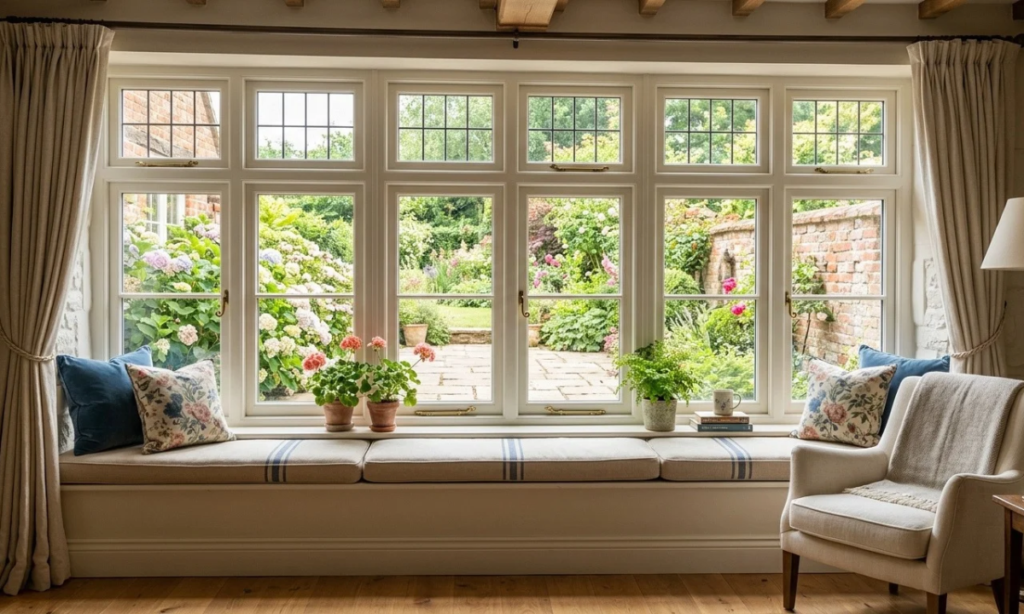

Choosing the right windows can improve the appearance, comfort, and functionality of your home. Windows allow natural light to enter, provide outdoor views, and support ventilation. They also influence privacy, energy efficiency, and the overall architectural style of a building.
Window Design for Home involves more than selecting an attractive frame. Homeowners should consider room size, window materials, opening styles, local weather, maintenance, and budget. Understanding these factors makes it easier to select windows that meet everyday needs while complementing the home’s design.
What Is Window Design for Home?
Window design for home refers to choosing the size, shape, style, placement, materials, and glass used in residential windows. Popular options include sliding, casement, fixed, and traditional windows.
The best choice depends on the room’s purpose and the building’s requirements. A living room may benefit from a wide window with an outdoor view, while a bathroom may need obscure glass for privacy. Good design balances appearance with ventilation, safety, durability, and practical use.
Understanding the Importance of Window Design for Home
Window Design for Home influence how a room looks and feels. Their size and placement affect daylight, outdoor views, and the amount of fresh air entering through open windows. Window design also contributes to a home’s exterior appearance.
Matching frame colors and proportions with the building’s architectural style creates a more consistent look. According to the U.S. Department of Energy, window frames, glazing, and operating styles influence energy performance. Therefore, homeowners should evaluate both appearance and performance when choosing windows.
Benefits of Choosing the Right Windows
Suitable Window Design for Home can brighten rooms, support ventilation, and improve indoor comfort. Appropriate glazing and properly installed frames can also reduce unwanted heat transfer and drafts. The right design can improve privacy and security through suitable glass, secure locks, and practical placement.
Easy-to-clean frames and accessible opening mechanisms may also simplify maintenance. However, results depend on product quality, installation, climate, and regular care. No single window style is ideal for every home.
Popular Window Design Styles for Modern Homes
Modern homes can accommodate different window styles, including simple sliding panels, hinged windows, and large fixed glass sections. The choice should reflect the building’s appearance and the room’s practical requirements.
Modern Window Design for Home
Modern window designs often feature clean lines, simple frames, and generous glass areas. They can complement contemporary homes and create a connection between indoor and outdoor spaces. Large windows can provide attractive views, but their glazing and shading should suit the local climate. Consider glare, privacy, and solar heat gain before selecting oversized glass panels.
Traditional Window Designs
Traditional windows often feature wooden frames, divided glass panes, or classic proportions. These designs can complement older properties and homes with traditional architectural details. Wood provides a natural appearance but may require protective finishes and periodic maintenance. Modern products can also reproduce traditional styles while incorporating contemporary glazing and hardware.
Sliding and Casement Window Designs
Sliding windows move horizontally along tracks, making them useful where an outward-opening sash would obstruct a walkway or outdoor space. Casement Window Design for Home are attached to hinges and open inward or outward, depending on the design. They can provide a wide opening for ventilation. Proper sealing and installation are important for both styles, although sliding windows may have higher air leakage than well-designed hinged windows.
Best Window Design for Every Room
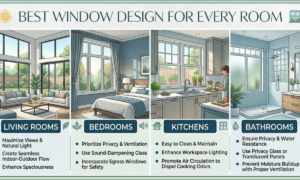
Different rooms have different requirements for daylight, privacy, and ventilation. Choosing windows according to each room’s purpose can improve comfort and usability.
Window Design for Living Rooms
Living rooms often benefit from wide windows that provide daylight and outdoor views. Sliding windows, casement windows, or combinations of fixed and operable glass can work well. Consider furniture placement, television glare, direct sunlight, and neighboring properties. Curtains, blinds, and suitable glazing can help manage light and privacy.
Window Design for Bedrooms
Bedroom windows should balance natural light, ventilation, privacy, and security. Choose a style that is easy to operate and does not interfere with beds, wardrobes, or curtains. Secure locks and effective seals are important. If outside noise is a concern, compare window systems designed for sound reduction and ensure they are installed correctly.
Window Design for Kitchens
Kitchen windows can bring in daylight and support ventilation. A window near a sink may be convenient, provided its handle is accessible and the opening does not interfere with cabinets or taps. Sliding windows can work well where counter space is limited. Consider cleaning access, cooking odors, and moisture. An appropriate extractor fan may still be necessary.
Window Design for Bathrooms
Bathroom windows should provide privacy and withstand humid conditions. Obscure or frosted glass can allow daylight into the room while limiting direct visibility. Choose suitable frames, effective seals, and secure hardware. An operable window can support ventilation, but it may not replace mechanical ventilation where that is required.
How to Choose the Right Window Materials
Window Design for Home materials affect appearance, durability, maintenance, and thermal performance. Compare products according to your climate, budget, and preferred level of upkeep.
Wooden Window Frames
Wooden frames provide a natural appearance and suit many architectural styles. Wood also offers useful thermal insulation. However, exposed timber may need painting, sealing, or other protective treatment. Ask about the timber type, finish, moisture protection, and recommended maintenance.
Aluminum Window Frames
Aluminum frames are strong, relatively lightweight, and suitable for many modern designs. Their strength can support slim profiles, depending on the product. Because aluminum conducts heat readily, thermally broken frames may be preferable when insulation is important. Check the finish, corrosion resistance, hardware, and glazing specifications before purchasing.
uPVC Window Frames
uPVC is a plastic framing material commonly used in residential windows. It generally requires less routine surface maintenance than untreated wood and does not need regular painting. Performance varies with construction quality, reinforcement, seals, and installation. Compare warranties, product specifications, and repair options before deciding.
Important Factors to Consider When Choosing Windows
Before purchasing windows, consider the building’s design, local climate, safety requirements, and long-term costs.
Window Size, Shape, and Placement
Window size and placement influence daylight, views, ventilation, and privacy. Tall windows may suit narrow walls, while wider windows can complement spacious living areas. Consider sunlight direction, neighboring buildings, furniture, and possible glare. Consult a qualified professional before enlarging openings or altering structural walls.
Energy Efficiency and Insulation
Energy performance depends on glazing, frame materials, seals, installation, and climate. Two useful ratings are the U-factor and solar heat gain coefficient (SHGC). A lower U-factor indicates less heat transfer, while a lower SHGC indicates less solar heat entering through the window.
The best balance depends on local weather and window orientation. Compare relevant product ratings rather than assuming that every double-glazed window performs equally well.
Privacy, Security, and Ventilation
Use appropriate window coverings or obscure glass where privacy matters. Check locks, hinges, frame quality, and applicable safety requirements. Operable windows can support natural ventilation, but airflow depends on opening size, wind, outdoor conditions, and room layout.
Budget and Maintenance
Your budget should include windows, installation, hardware, finishing, and possible structural work. Request itemized quotes and compare warranties and installation coverage. Also consider cleaning, repairs, repainting, and replacement parts. A suitable product is one that meets your needs without creating unnecessary long-term costs.
Window Design Ideas for Small and Large Homes
Window Design for Home placement and proportions matter in homes of every size. Choose designs that support comfort and complement the available space.
Space-Saving Window Designs for Small Homes
Sliding windows can be useful where outward-opening panels would occupy limited exterior space. Carefully positioned windows can also bring daylight into narrow rooms. Avoid oversized glass without considering privacy, heat gain, and furniture placement. Simple frames and practical window coverings can help maintain a clean appearance.
Stylish Window Designs for Large Homes
Large homes may accommodate wide living-room windows, tall stairwell windows, or combinations of fixed and opening panels. Before choosing large windows, consider structural support, cleaning access, solar exposure, and installation costs. Consistent frame finishes can help create a unified exterior appearance.
Common Window Design Mistakes to Avoid
Avoid choosing windows based on appearance alone. A suitable design must also work well in its intended location.
Choosing the Wrong Window Style
An outward-opening window may obstruct a narrow path, while a fixed window cannot open for ventilation. Check operating space, accessibility, and cleaning requirements before purchasing.
Ignoring Natural Light and Ventilation
Poor placement can leave rooms dark or expose them to excessive direct sunlight. Consider sunlight direction, surrounding obstructions, privacy, and ventilation needs before confirming dimensions.
Overlooking Installation and Maintenance
Incorrect installation can contribute to drafts, leaks, and moisture problems. Use a qualified installer and follow the manufacturer’s instructions for sealing, drainage, and ongoing care.
Read more: Japandi Style Living Room Ideas for a Minimalist and Cozy Home
Tips for Maintaining Home Windows
Regular maintenance helps windows operate smoothly and makes it easier to identify problems early.
Cleaning Window Glass and Frames
Clean glass with mild soap and water or a suitable glass cleaner. Use soft cloths and avoid abrasive tools that can scratch surfaces. Remove dirt from tracks and drainage openings, and use cleaning products suitable for the frame material. Never lean out of an upper-floor window to clean its exterior.
Checking Window Seals, Locks, and Hinges
Inspect weatherstripping, caulking, locks, hinges, and handles periodically. Look for worn seals, cracks, water stains, or difficulty opening and closing windows. Follow the manufacturer’s instructions when lubricating moving parts. Contact a qualified professional if you notice persistent leaks, fogging between insulated glass panes, damaged frames, or faulty locks.
Conclusion
Choosing the right Window Design for Home can improve your home’s appearance, comfort, natural lighting, and ventilation. From modern and traditional styles to sliding and casement windows, each option offers different benefits depending on your room layout, privacy needs, and budget. Selecting suitable materials, energy-efficient glazing, and secure frames can also support long-term performance.
Before making a final decision, consider the purpose of each room, your local climate, installation costs, and maintenance requirements. Regular cleaning and timely repairs can help keep your windows in good condition. With careful planning, you can choose a it that complements your interior style while meeting your family’s everyday needs.
FAQs
1. What is the best window design for home?
Ans: The best window design for home depends on your room size, architectural style, ventilation needs, and budget. Sliding, casement, and fixed windows are popular options.
2. Which window material is best for a home?
Ans: Wood, aluminum, and uPVC are common window materials, each with different benefits and maintenance requirements. Choose according to your climate, budget, and durability needs.
3. Which window design is best for a small home?
Ans: Sliding windows and carefully positioned vertical windows can help save space and bring natural light into smaller rooms. Consider privacy and ventilation before choosing a design.
4. How can I choose energy-efficient windows for my home?
Ans: Compare the window’s U-factor, solar heat gain coefficient, glazing, and frame insulation. Proper installation and weather seals also help improve energy performance.
5. How do I maintain windows at home?
Ans: Clean the glass and frames regularly, remove dirt from tracks, and inspect seals, hinges, and locks. Repair damaged components promptly to maintain proper operation.