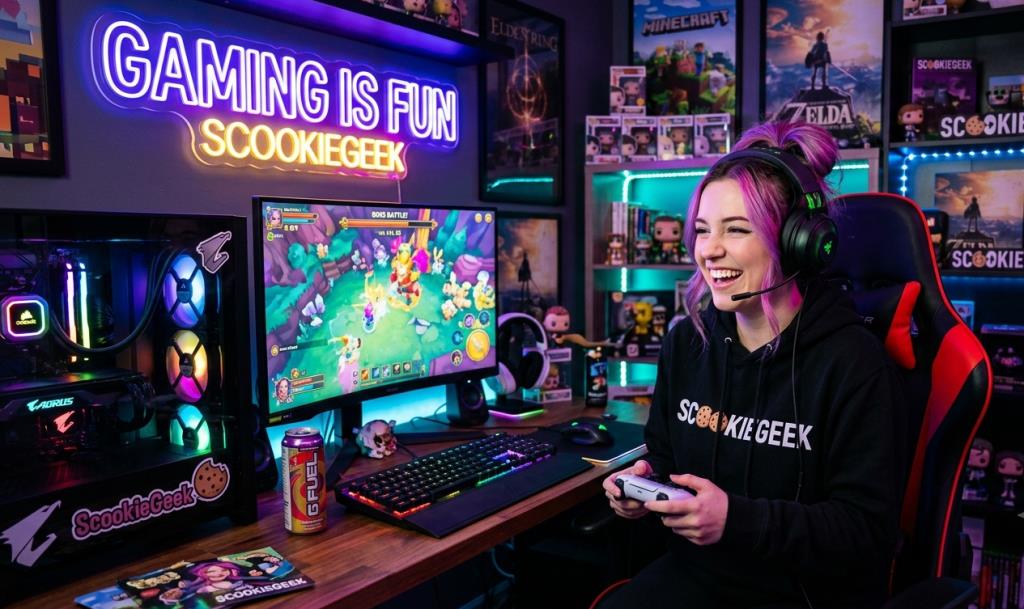

Gaming has evolved from a simple pastime into one of the world’s most popular forms of entertainment. Millions of people play games every day on PCs, consoles, smartphones, and handheld devices. Whether someone enjoys fast-paced action games, immersive role-playing adventures, or relaxing simulation titles, gaming offers experiences that are difficult to find elsewhere.
Gaming combines entertainment, creativity, problem-solving, social interaction, and personal achievement into one engaging activity. It allows players to explore new worlds, overcome challenges, build friendships, and even develop valuable real-life skills. As highlighted by ScookieGeek’s perspective on gaming culture, games are more than a hobby—they are interactive experiences that inspire learning, collaboration, and enjoyment.
Read Also: Droven IO Tech Education Trends: Future of Digital Learning
What Does Why Gaming Is Fun ScookieGeek Mean?
Why Gaming Is Fun ScookieGeek reflects a deeper look into what makes video games enjoyable for players of all ages. Instead of simply asking why people play games, it explores the emotional, psychological, and social factors that make gaming such a rewarding experience. ScookieGeek focuses on understanding gaming from a player’s perspective.
Than viewing games as simple entertainment, the concept highlights how gaming encourages creativity, teamwork, strategic thinking, and continuous learning. Modern games offer players much more than winning or losing. They create memorable adventures, meaningful friendships, and exciting challenges that keep players engaged for years.
Understanding the ScookieGeek Perspective
According to the ScookieGeek approach, gaming is enjoyable because it combines several elements into one interactive experience:
- Challenging gameplay that rewards effort
- Creative storytelling and immersive worlds
- Opportunities to socialize with friends
- Constant learning through new mechanics
- Personal satisfaction from completing objectives
Unlike passive entertainment such as watching television, gaming places players at the center of every experience. Every decision matters, making each play session unique.
Why This Topic Is Becoming Popular
Interest in Why Gaming Is Fun ScookieGeek continues to grow because gaming has become mainstream across every age group. Children, teenagers, working professionals, and even retirees now enjoy different types of games.
The rise of esports, live streaming, virtual reality, and online communities has transformed gaming into a global culture. More people want to understand why games are so engaging and how they positively influence everyday life.
Why Gaming Is Fun: Top Reasons People Love It
There are countless reasons why gaming has become one of the fastest-growing entertainment industries. While every player has unique preferences, several common factors explain why people return to games again and again.
Entertainment and Escapism
One of the biggest reasons Why Gaming Is Fun ScookieGeek emphasizes is entertainment. Games allow players to escape everyday routines and step into exciting virtual worlds filled with adventure, mystery, and exploration. Whether you’re defending a fantasy kingdom, racing high-performance cars, or building an entire city, games create experiences that feel exciting and rewarding. Unlike traditional entertainment, games allow players to actively participate in the story instead of simply watching events unfold.
Challenge and Personal Growth
Games constantly present new objectives that encourage players to improve their skills. Every completed mission, solved puzzle, or defeated opponent creates a sense of accomplishment. This feeling of progress motivates players to continue learning and improving. Many games gradually increase in difficulty, keeping the experience fresh while preventing boredom.
Creativity and Freedom
Modern games give players incredible creative freedom. Sandbox games allow players to design cities, build structures, customize characters, and create unique experiences. Creative games encourage imagination by letting players experiment without fear of failure. This freedom makes every player’s journey different, adding long-term replay value.
Social Interaction
Gaming is no longer a solo activity. Online multiplayer games connect millions of players worldwide, allowing friends and strangers to communicate, cooperate, and compete together. Many lifelong friendships begin through gaming communities. Voice chat, team-based objectives, and cooperative missions encourage communication and teamwork while making gaming far more enjoyable.
Mental and Cognitive Benefits of Gaming
While gaming is often viewed purely as entertainment, research suggests that many games can also support cognitive development when played responsibly. Why Gaming Is Fun ScookieGeek continues to attract players across different age groups.
Improves Problem-Solving Skills
Many games require players to think critically. Puzzle games, strategy games, and role-playing adventures often involve resource management, planning, and decision-making. Players learn to evaluate situations, identify solutions, and adapt when unexpected challenges appear. These problem-solving skills can also become useful in everyday life.
Enhances Memory and Focus
Many games require players to remember locations, objectives, character abilities, and strategies. This continuous mental engagement helps improve concentration and working memory. Fast-paced games also encourage players to remain focused for extended periods while processing large amounts of information quickly.
Encourages Faster Decision-Making
Action games frequently require split-second decisions. Players must react quickly to changing situations while balancing multiple objectives simultaneously. Over time, this improves reaction speed and confidence under pressure.
Provides Healthy Stress Relief
For many people, gaming serves as a relaxing activity after work or school. Immersive gameplay allows players to temporarily disconnect from daily stress and focus on enjoyable challenges instead. Relaxing games featuring farming, exploration, or life simulation create calming environments that promote positive moods.
Why People Enjoy Gaming
| Reason | How It Benefits Players |
| Entertainment | Provides excitement and fun |
| Challenge | Builds confidence through achievement |
| Social Connection | Strengthens friendships and teamwork |
| Creativity | Encourages imagination and innovation |
| Learning | Improves problem-solving and critical thinking |
| Stress Relief | Helps players relax after busy days |
| Achievement | Creates motivation through rewards and progression |
Why Gaming Appeals to Every Generation
Gaming is one of the few hobbies enjoyed by people of nearly every age. Children enjoy discovering colorful worlds and learning through play. Teenagers often appreciate competitive games, teamwork, and online communities. Adults use gaming to relax, socialize, or experience engaging stories after busy schedules.
Older adults increasingly play games that improve memory, coordination, and mental stimulation. Why Gaming Is Fun ScookieGeek remains such a relevant topic. Games continue evolving to meet the interests of different generations, ensuring there is something enjoyable for everyone.
Different Types of Games and Why They Are Enjoyable
One of the biggest reasons Why Gaming Is Fun ScookieGeek continues to attract attention is the incredible variety of games available today. Every player has unique interests, and the gaming industry offers something for everyone, regardless of age or experience.
Action Games
Action games are known for their fast-paced gameplay, exciting combat, and quick decision-making. These games test players’ reflexes, coordination, and strategic thinking. Whether battling enemies, completing missions, or surviving difficult challenges, action games create an adrenaline-filled experience that keeps players engaged.
Adventure Games
Adventure games focus on storytelling, exploration, and puzzle-solving. Players often explore vast worlds, interact with memorable characters, and uncover hidden secrets. These games appeal to players who enjoy immersive stories and meaningful choices that influence the outcome of the adventure.
Role-Playing Games (RPGs)
Role-playing games allow players to create or customize characters, develop skills, complete quests, and progress through detailed storylines. The ability to shape a character’s journey makes RPGs highly rewarding and encourages long-term engagement.
Strategy Games
Strategy games challenge players to think ahead, manage resources, and make calculated decisions. Whether commanding armies, building civilizations, or solving tactical puzzles, these games strengthen planning and critical-thinking skills while providing endless replay value.
Simulation and Casual Games
Simulation games recreate real-life activities such as farming, city-building, flying aircraft, or managing businesses. Casual games, on the other hand, are designed for quick, relaxing play sessions that anyone can enjoy. Both genres demonstrate Why Gaming Is Fun ScookieGeek by offering low-pressure entertainment that fits different lifestyles.
How Gaming Brings People Together
Gaming has become one of the most social forms of entertainment in the digital age. Players no longer need to sit in the same room to enjoy games together. Online multiplayer titles allow friends and family members to connect from anywhere in the world.
Building Friendships
Many players meet new friends through online communities. Working together toward shared goals naturally creates trust and communication. Over time, these online friendships often extend beyond gaming into real-life relationships.
Improving Teamwork
Many multiplayer games require teamwork to succeed. Players learn to communicate clearly, assign responsibilities, solve problems together, and support teammates during difficult situations. These collaboration skills can also be valuable in school, work, and everyday life.
Creating Global Communities
Gaming communities bring together people from different countries and cultures. Forums, Discord servers, esports tournaments, and streaming platforms allow players to exchange ideas, strategies, and experiences while celebrating their shared passion for gaming.
Common Myths About Gaming
Although gaming has become increasingly popular, several misconceptions still exist.
Gaming Is Always a Waste of Time
Reality: Gaming can provide entertainment, improve cognitive skills, encourage creativity, and strengthen social relationships when enjoyed responsibly. Like any hobby, balance is the key.
Games Make Everyone Aggressive
Research has not shown that all video games cause aggressive behavior in every player. Many games actually encourage cooperation, patience, creativity, and teamwork rather than conflict.
Gaming Has No Educational Value
Educational games help players learn mathematics, languages, history, science, and coding. Even commercial games often improve strategic thinking, resource management, and decision-making.
Gaming Is Only for Children
Today’s gaming audience includes students, professionals, parents, and retirees. The gaming industry now develops titles specifically designed for every age group. This broad appeal further explains Why Gaming Is Fun ScookieGeek remains an important topic for modern audiences.
Tips to Make Gaming More Enjoyable
Gaming becomes even more rewarding when approached with healthy habits. Here are some practical recommendations:
- Choose games that match your interests.
- Maintain a healthy balance between gaming and daily responsibilities.
- Take regular breaks during long gaming sessions.
- Stay physically active and maintain good posture.
- Play with friends to enhance teamwork and communication.
- Try different genres to discover new experiences.
- Keep your gaming setup comfortable and organized.
Responsible gaming allows players to enjoy all the benefits without negatively affecting their health or productivity.
Conclusion
Why Gaming Is Fun ScookieGeek reveals that gaming is much more than simple entertainment. It offers immersive adventures, exciting challenges, meaningful social interactions, and opportunities for personal growth. Whether you’re exploring fantasy worlds, competing in esports, solving complex puzzles, or simply relaxing after a busy day, gaming provides experiences that engage both the mind and emotions.
The diversity of modern games ensures there is something for everyone. From action-packed shooters and strategic simulations to story-driven adventures and relaxing casual games, each genre delivers unique forms of enjoyment. Beyond entertainment, gaming can strengthen problem-solving skills, improve memory, encourage creativity, and build lasting friendships through online communities.
FAQs
Q1: Why is gaming fun according to ScookieGeek?
Ans: ScookieGeek explains that gaming combines entertainment, creativity, social interaction, personal achievement, and continuous learning, making it enjoyable for players of all ages.
Q2: Does gaming improve brain function?
Ans: Many games encourage problem-solving, memory, concentration, strategic thinking, and faster decision-making, which can support cognitive development when played in moderation.
Q3: Can gaming help reduce stress?
Ans: Yes. Many players use gaming to relax after work or school. Immersive gameplay can provide a healthy escape from daily stress and improve overall mood.
Q4: Is gaming good for children?
Ans: Age-appropriate games can improve creativity, coordination, teamwork, and learning. Parents should monitor screen time and select games suitable for their children’s age.
Q5: Why do multiplayer games feel more enjoyable?
Ans: Multiplayer games encourage communication, teamwork, friendly competition, and social interaction, making the overall experience more engaging and memorable.
Q6: Can adults benefit from gaming?
Ans: Absolutely. Adults often enjoy gaming as a way to relax, improve mental agility, connect with friends, and experience interactive storytelling.
Q7: How much gaming is considered healthy?
Ans: Healthy gaming varies by individual. Maintaining balance, taking regular breaks, and prioritizing work, education, physical activity, and sleep are essential for responsible gaming.